
Trump’s $500 Obamacare Rebate Checks: What We Know About the Plan
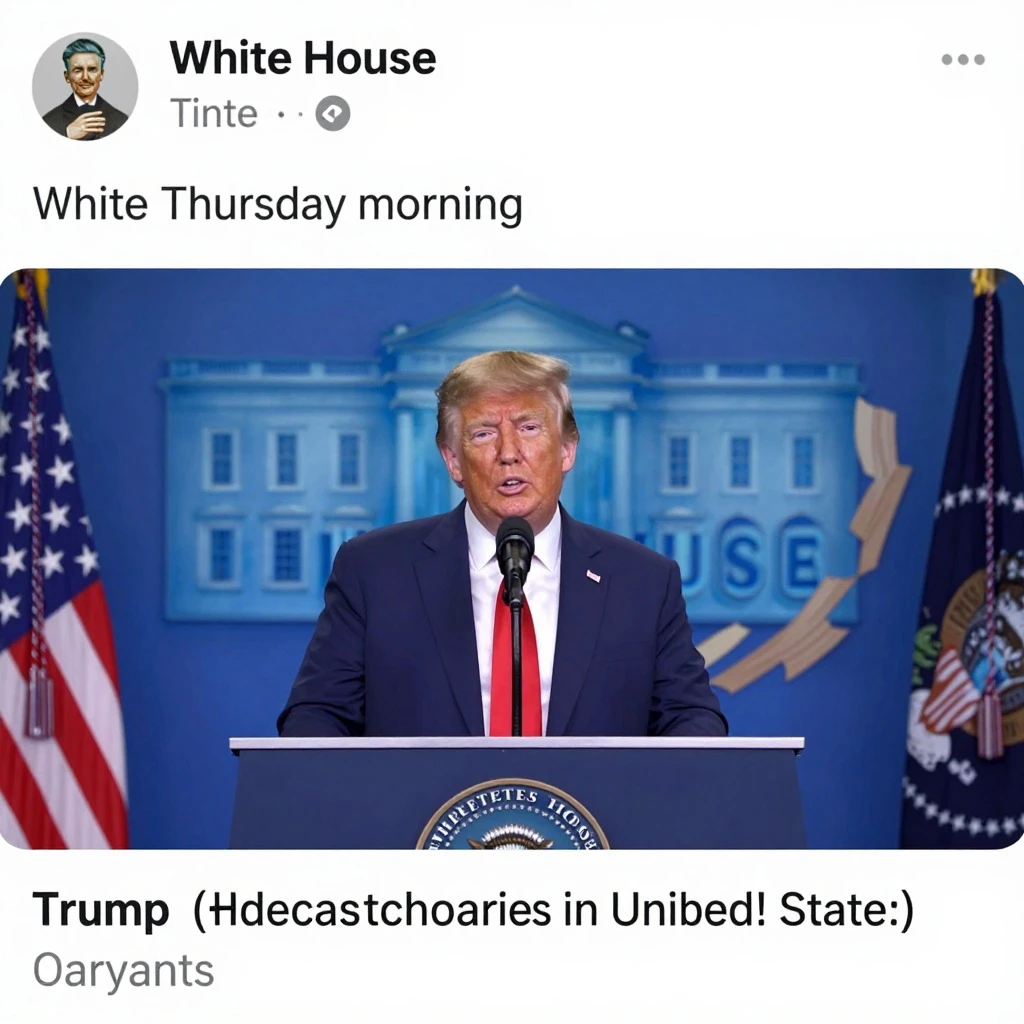
In a video posted on social media by the White House Thursday morning, President Trump claimed that $500 rebate checks would go out to Americans in “just a few weeks,” as affordability remains a key voter issue ahead of the high-stakes midterm elections. The announcement comes less than two months before voters head to the polls, with pocketbook concerns expected to dominate. However, because the plan has not been officially announced through a public agency press release, the confirmed details come specifically from officials who described the plan directly to reporters, making it important to separate what has been verified from what remains unconfirmed.
The rebate announcement followed Trump’s speech at the Republican Midterm Convention on Wednesday night, where he promised a $5,000 “dividend” to American adults if Republicans keep majorities in the House and Senate this fall, with at least some of that money coming from tariff revenue. The $500 rebate checks appear to be a separate, more immediate proposal. According to the information provided, the plan is tied to Obamacare and aims to address rising premiums. Since the expiration of subsidies under the Affordable Care Act, premiums have increased by around 20%, and millions of Americans have dropped health insurance coverage. The Biden Administration, meanwhile, accumulated a significant surplus of funds that were not used to benefit the Americans who paid these higher premiums.
The Trump administration has taken other healthcare actions. In his Working Families Tax Cuts Act, President Trump expanded access to health savings accounts for up to ten million people on Obamacare and took significant actions to reduce healthcare fraud and abuse, enabling the largest ever investment in rural healthcare – $50 billion. Additionally, the Centers for Medicare & Medicaid Services has ramped up enforcement against hospitals out of compliance with price transparency rules, finalized improvements to hospital price transparency rules, and proposed significant improvements to price transparency rules for insurance companies.
While most Democratic lawmakers have not yet responded to the announcement, they have previously defended the law as a key source of affordable health coverage. As the midterms approach, the proposal’s feasibility and timing remain uncertain, and voters will likely weigh these promises against their own healthcare costs.

 Shimanta Das